25% concentration
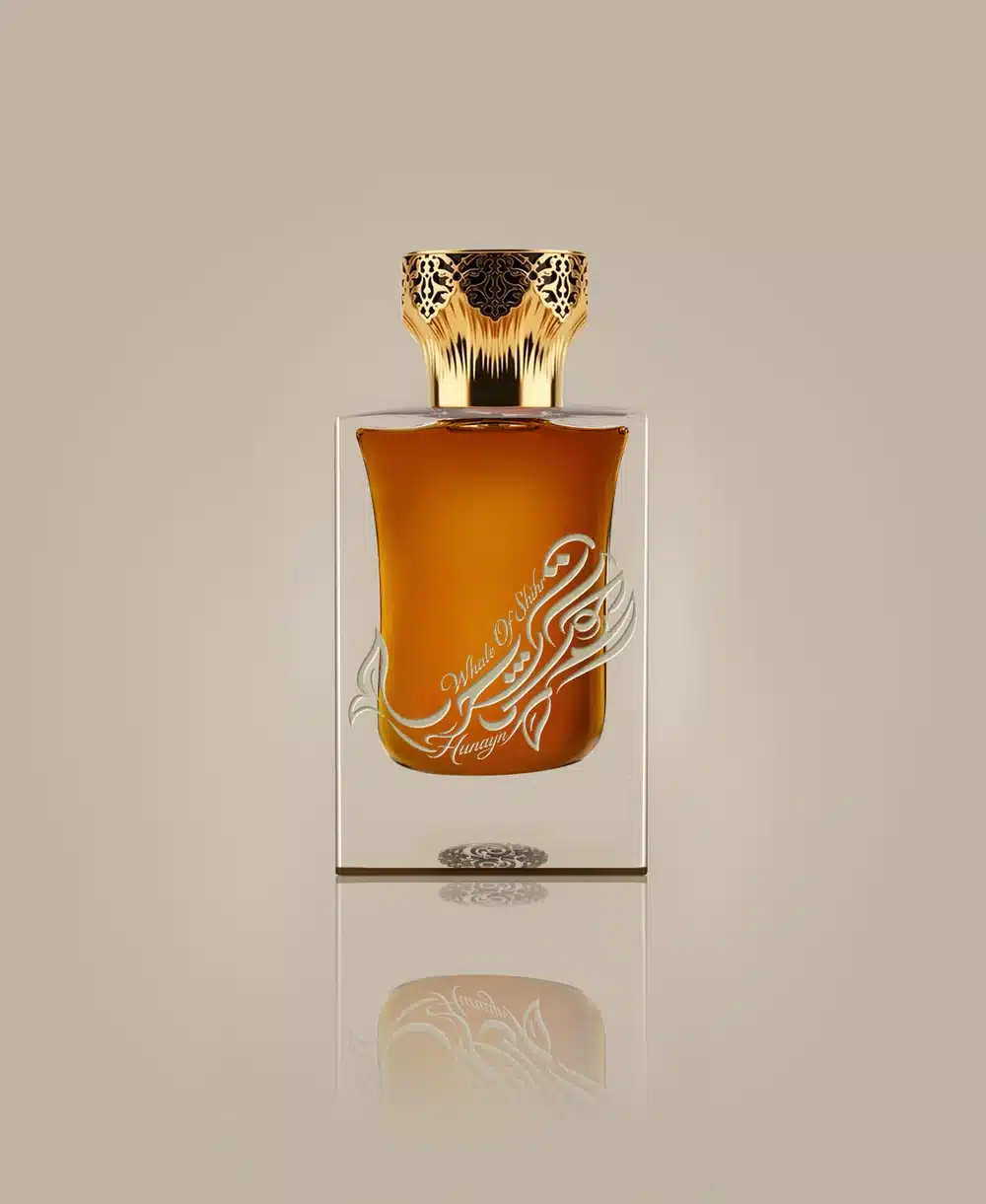
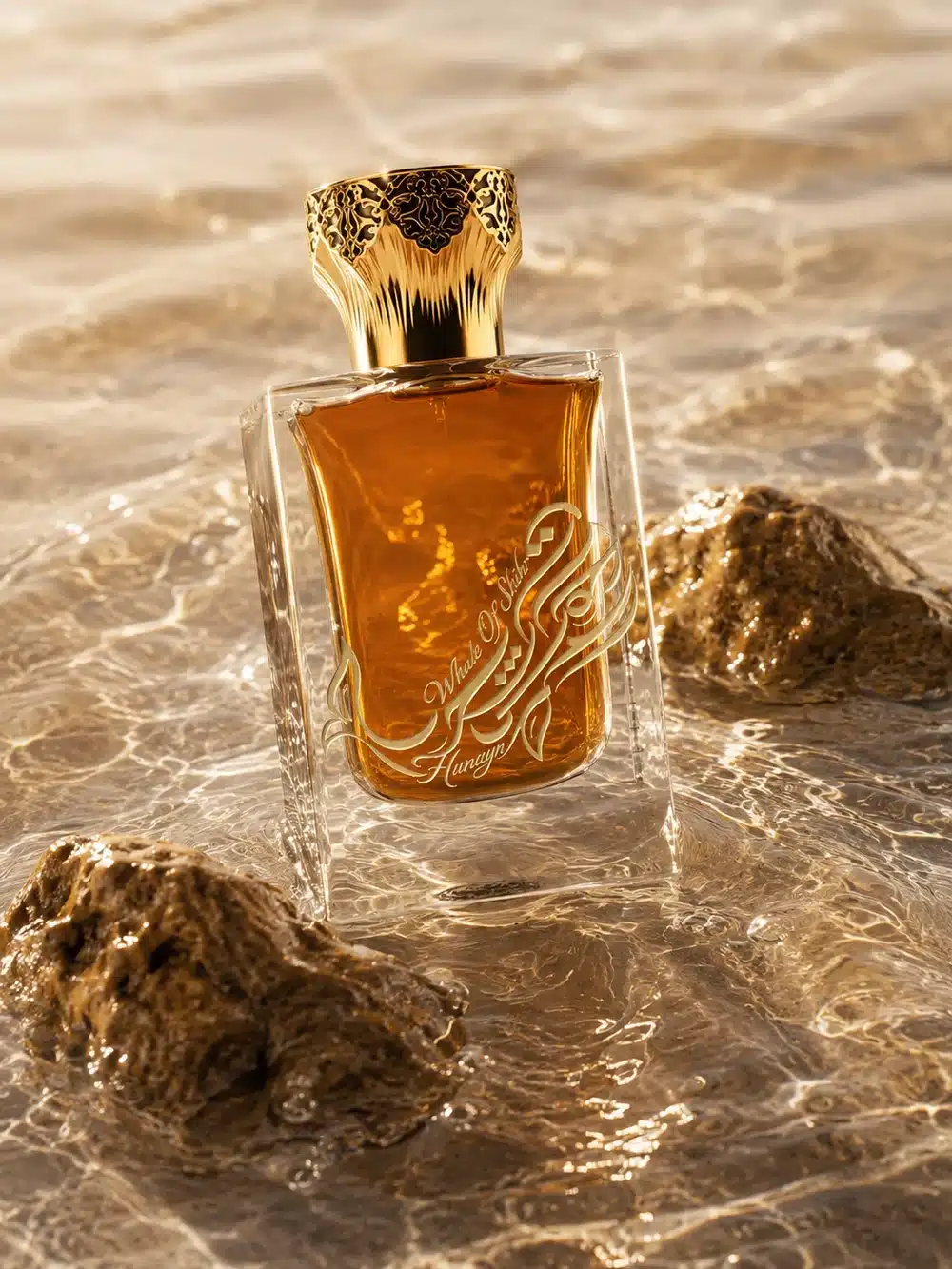
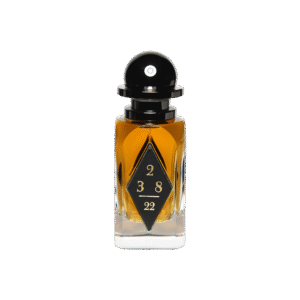
Un perfume construido alrededor del ámbar gris y creado por el sol.
El ámbar gris blanco se maceró directamente en la composición durante todo el verano, sellado y expuesto al calor durante tres meses. La tintura resultante se convirtió en el principal disolvente del perfume. El ámbar gris negro se incorpora junto a él. El ámbar gris representa aproximadamente una quinta parte de la composición, una proporción que rara vez se concede a esta materia.
El perfume comienza luminoso y ácido. Los cítricos y el azahar aparecen con toda su intensidad. Después, el frangipani toma el protagonismo cremoso, envolviendo al resto de las flores, y la composición termina sobre un fondo amaderado de pachulí. El ámbar gris está presente en cada etapa sin imponerse nunca: funciona como contraste frente a cada fase, sal frente a dulzura, sequedad frente a cremosidad.
Está hecho para rendir con el calor. Los materiales fueron elegidos precisamente por eso.
NOTAS
Ámbar gris blanco y negro, buchú, azahar, frangipani, champaca, jazmín, ginestra, retama, mimosa, ylang-ylang, lirio, hoja de violeta, mirto, gálbano, lavanda, azafrán, mandarina y pachulí de Nepal.
A JOURNEY TO INSPIRATION
The name came out of research, not from the bench.
While writing Ambergris: The Government of an Unknown Substance, We came to the coast of al-Shiḥr, a walled town on the Hadramawt shore with an anchorage, no docks, and fish oil as its other principal export. For the whole of the classical period the benchmark grade of ambergris in the Islamicate world was named for it: anbar shihri (عنبر شحري). Every merchant from al-Andalus to the Indian Ocean measured his material against a standard named after one of the poorer ports on the Arabian shore.
Possession of that port was contested for four hundred years. Among the powers who held it were the Kathiris, whose seat was Seiyun, deep inland in the Wadi Hadramawt. They were a power of irrigated farming and inland caravans rather than a maritime state, and they came down out of the interior to take al-Shiḥr in the 1460s, holding it intermittently, a Kathiri sultan seizing the town and its fort again as late as 1866.
None of the dynasties that fought for the harbour outlasted the name of the substance the sea left on its shore. The flags came down. The grade name did not.
The name of the perfume takes the other Arabic word. Anbar names the creature and the substance at once and has never distinguished between them. Ḥūt is the older and plainer word for the whale, the word the Quran uses for the creature that swallowed Yunus (Yunus, 10:98 context aside, the narrative sits at as-Saffat, 37:142). The perfume is named for the animal, not the commodity.
The method is called tashmis (تشميس), solar exposure, a recognised operation in the Arabic pharmaceutical tradition. It cannot be run twice the same way. The sun of one summer is not the sun of another, and the house records the batch rather than claiming the method is repeatable.
Only logged in customers who have purchased this product may leave a review.


Reviews
There are no reviews yet.